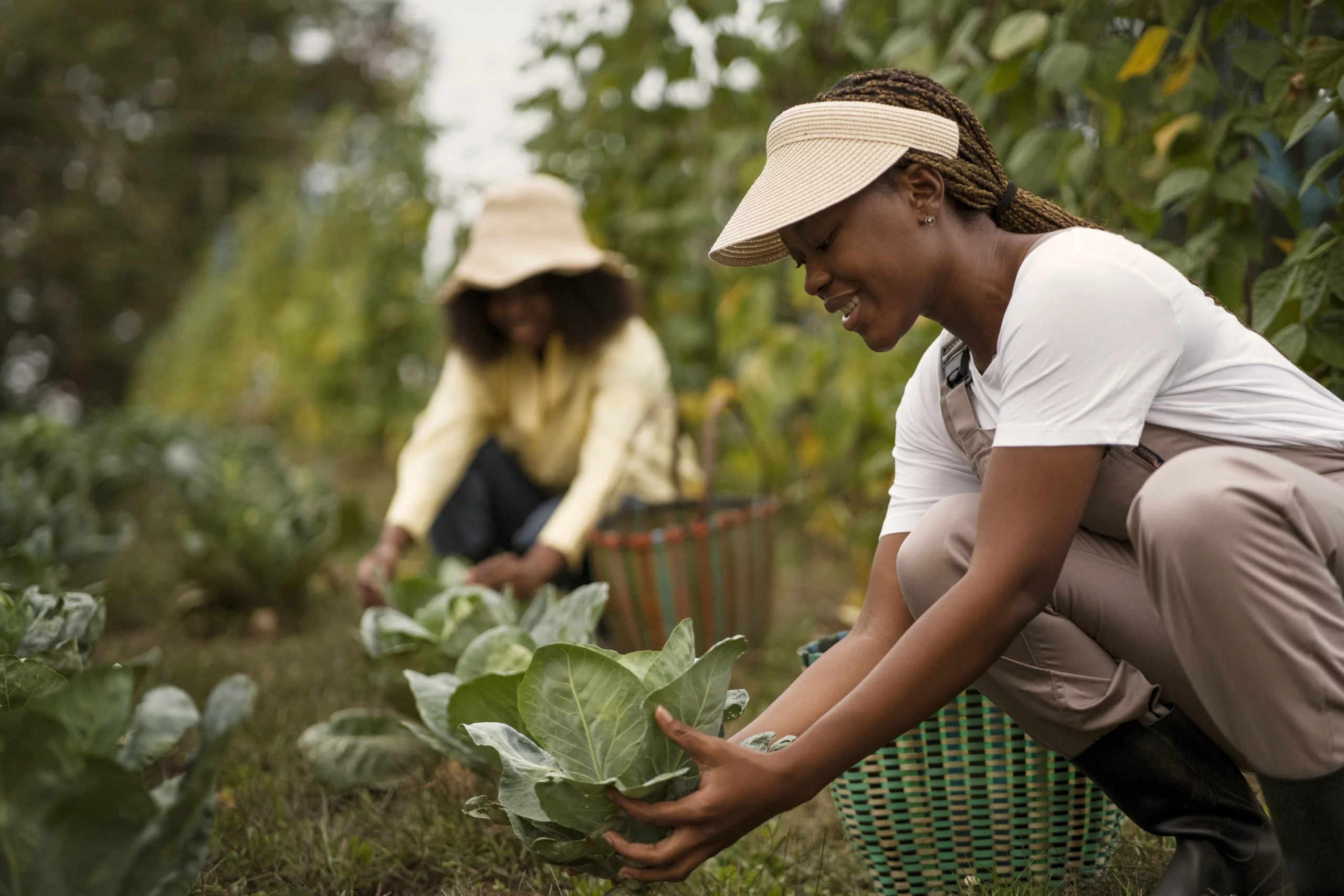
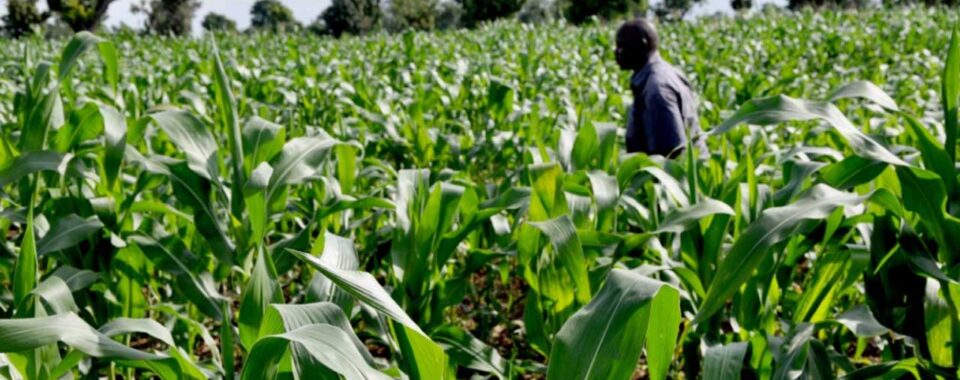
The Federal Government has been urged to place agriculture at the centre of its economic strategy, due to its potential to significantly boost Nigeria’s Gross Domestic Product (GDP).
Mr. Sunday Peter, an economist and agro-consultant, made the call in Abuja during an interview with the News Agency of Nigeria (NAN) on Sunday. He was reacting to the newly rebased GDP figures released by the National Bureau of Statistics (NBS).
According to the NBS, Nigeria’s GDP grew by 3.13% year-on-year in real terms in Q1 2025. This growth was largely driven by the services sector, which grew by 4.33% and contributed 57.5% to the GDP. The agricultural sector, in contrast, grew marginally by 0.07%, recovering from a -1.79% decline in Q1 2024, and contributed 23.33% to the aggregate GDP.
Peter described the figures as a “true reflection of the Nigerian economy,” adding that, “the country is increasingly service-based but lacks a strong agricultural foundation.”
“Agriculture is the backbone of any economy, providing raw materials for the production industry,” he said.
However, Peter noted that the sector remains underfunded and poorly managed. “Any economy that intends to boost its GDP has to focus on the agricultural sector, and the agricultural sector is closely linked to the production industry. So, if the agriculture sector is still struggling, then there is a challenge in the country,” he added.
To resolve this, he recommended grassroots engagement, including traditional rulers and local farmers, in agricultural policymaking.
He criticised the diversion of agricultural funds by politicians, saying:
“Some of the funds allocated for the sector are often hijacked by politicians and government representatives, rather than reaching the intended beneficiaries—the farmers.”
“To ensure accountability and efficient use of resources,” he continued, “the government should involve local authorities such as the local government chairman, councilors and community leaders in the implementation of agricultural programmes. This approach would enable farmers to access support and resources more easily, leading to increased productivity and economic growth.”
Peter cited China’s large-scale cassava imports from Nigeria as evidence of the sector’s potential.
“The government needs to prioritise agriculture and provide incentives for farmers, such as subsidising equipment and offering support services,” he said. “The government should also prioritise the real sector—all the manufacturing industries must become active, especially those that utilise raw materials from agriculture.”
“By doing so, Nigeria can unlock its agricultural potential and drive economic growth and development, ultimately improving the country’s GDP and global economic impact,” he concluded.
Top Farmer reports that the GDP rebasing covered the period 2019–2023, using 2019 as the new base year. The update includes refined methodologies aligned with international best practices.